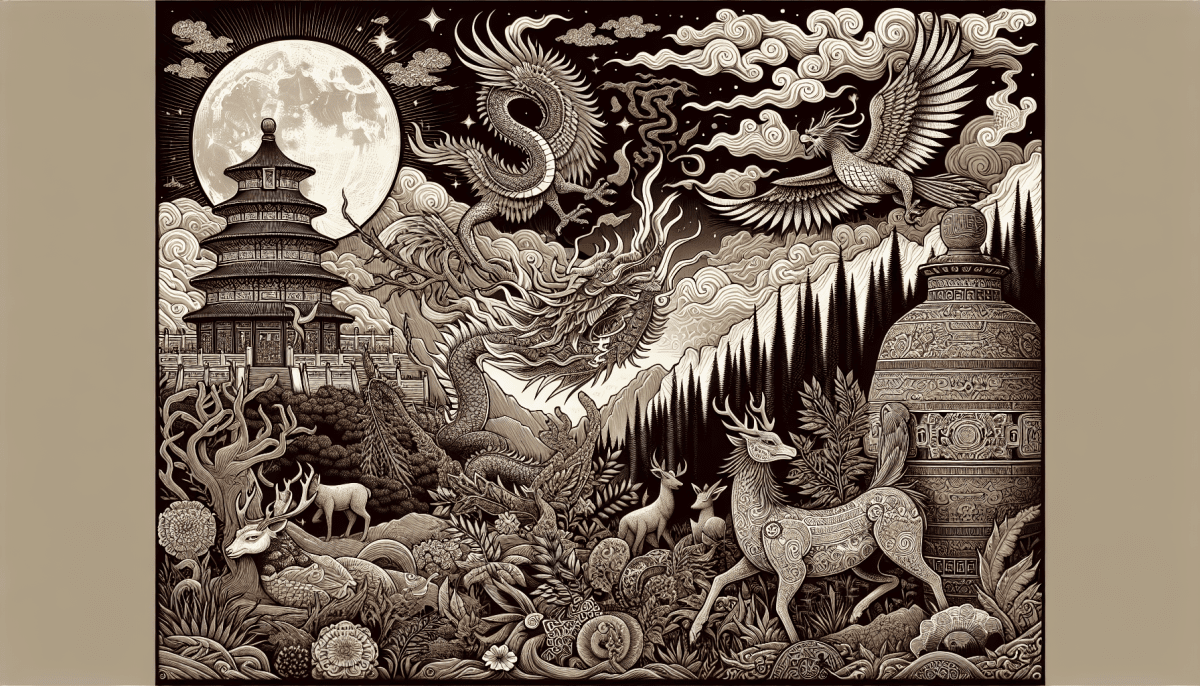
Asian mythology is packed with fascinating stories that have traveled through time. From ancient Chinese tales to captivating Indian epics, each legend offers a glimpse into the values and beliefs of its culture. Imagine meeting dragons that control water, gods who shape the earth, and mythical creatures that reflect humanity's hopes and fears.
Take the famous tale of the Chinese Dragon. Unlike the fire-breathing monsters of Western lore, these dragons are wise, benevolent beings. They symbolize power and good fortune, often connected with rain and agricultural blessings. In festivals, people celebrate these majestic creatures, hoping for a fruitful harvest.
Then there's the enchanting story of the Monkey King from the "Journey to the West." He’s a bit mischievous, full of tricks and magic, showing that wisdom and bravery come in unexpected packages. This tale captivates many with its blend of adventure, humor, and deeper lessons about self-discovery.
In Japan, the legend of Amaterasu, the sun goddess, is truly awe-inspiring. When she hides away in a cave, the world is plunged into darkness. The other gods work together to entice her back out, reminding us of the importance of community and light in dark times. This myth hits home with its themes of hope and resilience.
These stories, among many others, weave together the rich tapestry of Asian mythology, offering lessons and reflections that still resonate today. Dive into these legends, and you'll find inspiration, wonder, and a deeper understanding of the cultures that cherish them.
Meet Fascinating Mythical Creatures
Asian mythology is filled with some of the most fascinating creatures you'll ever hear about. From dragons that soar through the skies to mystical tigers with magical prowess, these beings bring stories to life in vibrant ways. Let’s dive into a few of the highlights!
First up, we have the Chinese dragon, often depicted as a long, serpentine creature. Unlike the fire-breathing beasts from Western tales, these dragons are seen as symbols of power and good luck. They are celebrated at festivals and associated with water, controlling rivers and bringing rain. If you want to feel the magic, just watch a dragon dance during Lunar New Year festivities!
Next on the list is the Kappa from Japanese folklore. This water-dwelling creature looks a bit like a turtle but is known for its mischievous nature. Kappas are believed to lure unwary travelers into rivers, but they can also be friendly if treated well. Some stories say they can give you a good chunk of wisdom if you manage to trick them.
And who could forget the Garuda? This bird-like deity is a prominent figure in Hindu and Buddhist traditions. Fierce and majestic, Garuda is known for his speed and his ability to defeat serpents. He’s often seen as a protector, carrying the god Vishnu through the skies. Just imagining that kind of power is enough to inspire anyone!
These mythical creatures aren't just fun tales; they carry deep meanings and values within their stories. Exploring them helps us understand the rich beliefs and traditions that shape Asian culture. Each creature brings its own flavor to mythology, inviting you to learn and enjoy the magic of these tales.
Unravel Stories of Gods and Goddesses
Asian mythology is filled with fascinating stories about gods and goddesses that have enchanted people for centuries. Each culture brings its own unique characters and tales. Whether you're into epic battles, majestic creatures, or heartfelt journeys, there’s something for everyone.
Take the mighty Indra from Hindu mythology. He’s not just a god of storms; he rides a magnificent white elephant and wields a thunderbolt. His adventures are filled with thrilling feats, fighting against demons and protecting the heavens. You can’t help but root for him!
Then there’s the beautiful goddess Kwan Yin, a symbol of compassion in Chinese mythology. She’s like the superhero of kindness, helping those in trouble and showing mercy. Stories of her life inspire us to be more empathetic and caring, making her a beloved figure across generations.
In Japanese mythology, we have the sun goddess Amaterasu. Legend has it that she hid in a cave, plunging the world into darkness until her friends worked together to bring her back out. This tale reminds us of the importance of community and the strength we find in each other.
Diving into these mythological tales lets you explore values, morals, and the rich cultural heritage of Asia. It’s like opening a treasure chest full of wisdom and wonder. So grab a comfy spot and get ready to embark on an adventure through the enchanting world of gods and goddesses!
Explore Cultural Significance and Traditions
Asian mythology is a treasure trove of stories, characters, and traditions that reflect the diverse cultures across the continent. Each myth not only entertains but also carries deep meanings and values important to different societies. From ancient tales passed down through generations to modern interpretations, these stories shape the way cultures view themselves and their place in the world.
For instance, in many cultures, dragons symbolize strength and power, but they can also represent wisdom and protection. In Chinese mythology, dragons are revered, often associated with water and rain, crucial for agriculture. Meanwhile, in Japanese folklore, the dragon is considered a guardian and brings good fortune. These different stories show how a single creature can take on unique roles across cultures.
Traditions tied to these myths are just as rich. Festivals celebrating gods and mythological figures are common across Asia. In India, Diwali honors the return of Lord Rama, while the Lantern Festival in China marks the end of the New Year celebrations and pays homage to various deities. These events bring communities together, fostering a sense of belonging while keeping ancient traditions alive.
Understanding these myths and traditions allows us to appreciate the cultural significance behind them. They offer insights into the values, struggles, and aspirations of people throughout history. Connecting with these stories isn’t just about enjoying a good tale; it’s about recognizing the threads that weave different cultures into a vibrant tapestry.